

Asset Performance Management with SAP
Optimize Reliability. Reduce Maintenance Costs. Drive Asset Value.
Successful asset management balances cost, risk, and performance, while maximizing value from assets. You have to do more than follow an inflexible preventative maintenance scheme. Over-maintaining assets will result in excessive operating cost while neglecting upcoming failures will result in potential damages.
In the past, planners used external, disconnected systems to make asset performance visible and find the right maintenance strategy. Times have changed.
With Rizing, your asset management improves by using reliability-centered, condition-based, and predictive methodologies.
Do These Challenges Look Familiar?
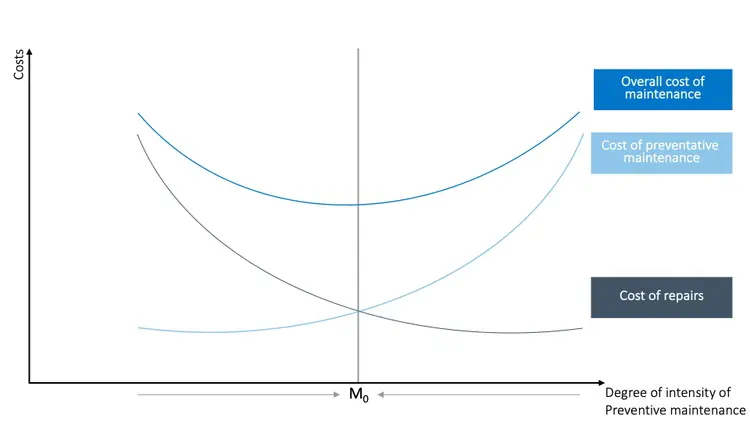
Assets age, wear down, and break. New safety risks emerge, capital costs rise, and unexpected failures occur despite strict maintenance schedules.
Most companies lower the risk of failure by using fixed-interval, preventive maintenance strategies. If the asset isn’t critical or is redundant, they’ll run the asset until it fails.
Planners use operating data from assets to determine the asset’s condition and schedule maintenance before a potential failure. Running maintenance at fixed intervals can lead to over-maintaining.
Managers can’t tell how much a budget reduction would affect the risk of failure or how to increase reliability and availability of the asset system by improving maintenance efforts.

How Can You Overcome These Challenges?
It all starts with building a “digital twin” that contains the configuration and the condition of your assets. Based on data from actual asset system behavior and your business goals (“line of sight”) you can define a proper maintenance strategy and act upon it. APM then becomes a continuous series of plan-do-check-act cycles.
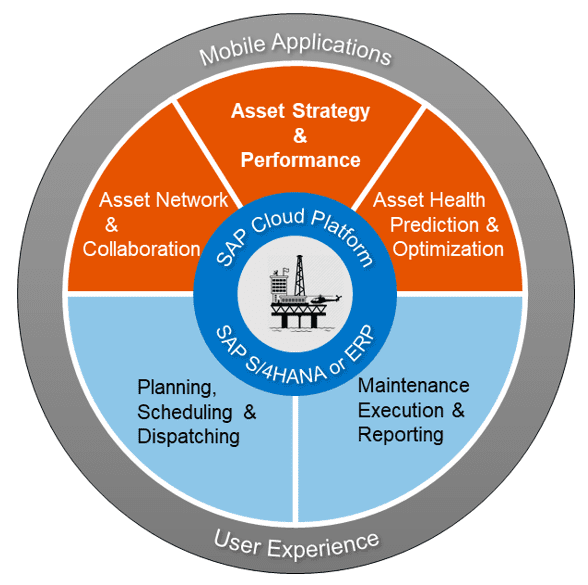
Asset Performance Management at a High Level

SAP Solutions To Help
SAP solutions complement your digital core, whether SAP ERP or SAP S/4HANA, with cloud-based tools that use machine learning to detect failure patterns, predict asset conditions, and verify the right maintenance regime.
They enable risk-based maintenance to reduce asset failure and support Reliability Centered Maintenance (RCM) processes, including Failure Modes and Effects Analysis (FMEA). You can manage performance to optimize asset returns across lifecycles, monitor and improve maintenance strategies, and prevent incidents through a holistic view of asset types and maintenance processes.